
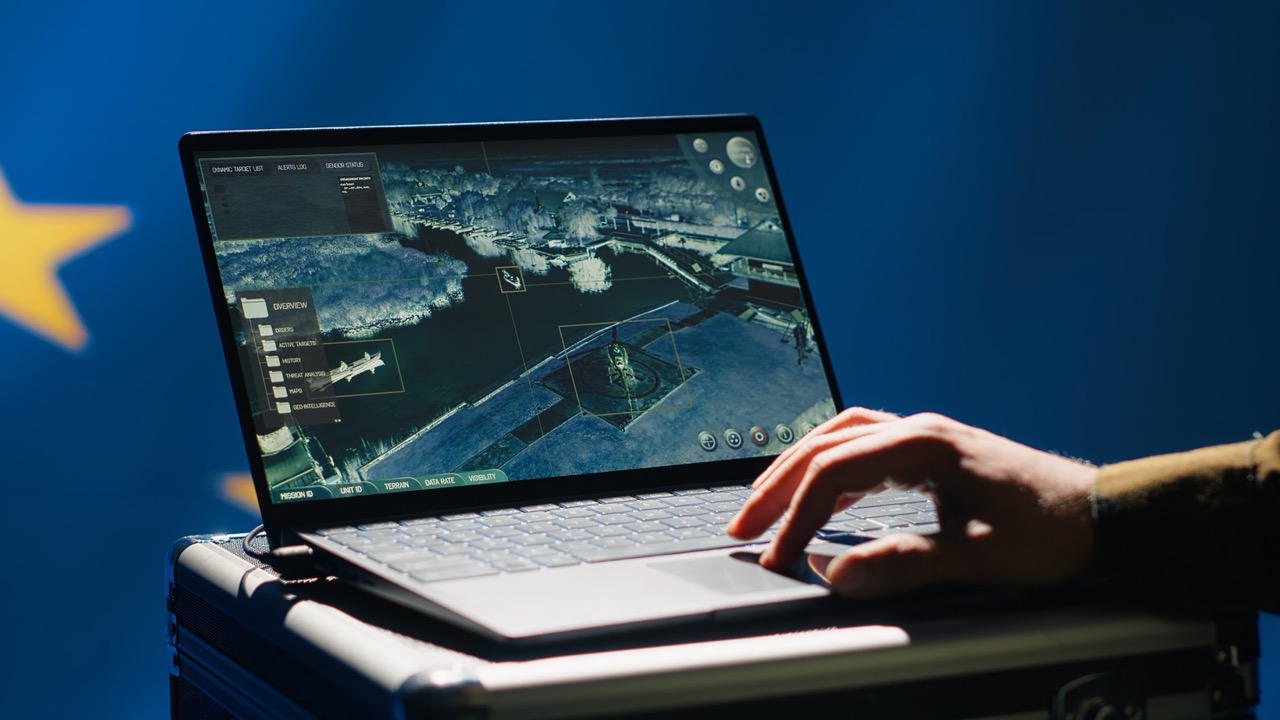

Intelligent video analytics applies AI and computer vision to existing CCTV to detect safety risks, security events, and operational deviations as they happen.
Context is the differentiator: a detection matters only when it is checked against site rules such as restricted zones, permits, and schedules.
The highest-value use cases target frequent, visible, high-severity risks, including falls, vehicle-pedestrian interactions, and missing PPE.
Measure ROI by risks corrected rather than alerts generated, and validate accuracy on your own footage before scaling.
An industrial site can have hundreds of CCTV cameras and still discover a dangerous near miss only after someone files a report. A forklift entering a pedestrian route, a contractor stepping into a restricted zone, or liquid pooling beside equipment may all be visible on screen, yet go unnoticed. The challenge isn't capturing these risks, but recognizing them while there's still time to act.
Intelligent video analytics closes this gap by using AI and computer vision to detect risks, identify operational deviations, and turn existing camera feeds into actionable intelligence.
For industrial operators, this means moving beyond reactive monitoring to improving workplace safety, asset reliability, and operational efficiency.
But the real value lies beyond what AI can detect. It's how quickly and effectively industrial teams can act on that intelligence to prevent incidents, minimize disruptions, and keep operations running at their best.
What Is Intelligent Video Analytics?
Intelligent video analytics (IVA) is the use of artificial intelligence, computer vision, and machine learning to automatically analyze live or recorded video, recognize people, objects, behaviors, and conditions, and generate alerts or insights without continuous human viewing. In industrial operations, it turns passive CCTV into an always-on monitoring layer for safety, security, and operational compliance.
Earlier video analytics relied on fixed rules, such as motion inside a drawn box, and struggled where rain, shadows, steam, and moving machinery triggered constant false alarms. Modern deep learning models classify what is actually in the scene, so they can tell a worker from a forklift and a steam plume from smoke.
Intelligent Video Analytics vs. Traditional CCTV
Camera networks keep growing. Independent research firm Omdia reports that the global video surveillance market grew 4.3% to $27 billion in 2025 as demand for AI-capable systems intensified. But a camera that only records still leaves detection to people reviewing footage after the fact. The difference lies in what happens to the footage.
| Dimension | Traditional CCTV | Intelligent video analytics |
|---|---|---|
| Primary purpose | Recording for after-the-fact review | Real-time detection and alerting |
| Who watches | Human operators, when available | AI models continuously, with humans verifying |
| Output | Hours of footage | Events, alerts, evidence clips, and trends |
| Response model | Reactive investigation | Intervention before an incident |
How AI Video Analytics Works on an Industrial Site
AI video analytics uses computer vision and machine learning to analyze camera footage, identify predefined risks or operational deviations, and turn those observations into actionable alerts. While the underlying technology can vary, most industrial systems follow five key stages:
Capture and Process Video: Live feeds from existing CCTV or IP cameras connect to an analytics platform, often through a video management system (VMS). Processing can occur on-site, in the cloud, or through a hybrid architecture.
Detect and Classify: AI models analyze video frames to identify people, vehicles, PPE, smoke, spills, equipment conditions, and other visible events. Tracking algorithms can also assess movement and interactions over time.
Apply Site-Specific Context: Detected events are evaluated against defined safety rules, restricted zones, schedules, and operational conditions. For example, a worker near a crane is not necessarily at risk, but entering an active lifting zone may warrant intervention.
Generate Actionable Alerts: When an event meets configured criteria, the system notifies designated personnel, often with supporting visual evidence. Alerts can also integrate with existing safety, security, and operational workflows.
Analyze Patterns and Improve: Recorded events reveal recurring hazards, process deviations, and high-risk locations. Teams can use these insights to prioritize corrective actions, assess control effectiveness, and measure improvements over time.
What makes industrial video analytics valuable is the context behind each detection. Identifying a person, vehicle, or object is only the first step. Understanding whether an activity violates site-specific rules, and enabling timely intervention, is what turns video analytics into operational intelligence.
How to Choose the Right Video Analytics Deployment Architecture
The right deployment architecture depends on how quickly teams need to respond, the site's network connectivity, data security requirements, and the scale of operations. Industrial enterprises typically have three options:
Edge Processing: Analyzes video locally through on-site servers or compatible cameras. Ideal for remote facilities, bandwidth-constrained sites, and safety-critical applications requiring low-latency alerts.
Cloud Processing: Processes video using centralized cloud infrastructure, supporting scalable computing and multi-site management. Best suited to facilities with reliable connectivity and sufficient bandwidth.
Hybrid Processing: Combines local video analysis with centralized monitoring and reporting. AI models process footage on-site while selected alerts, clips, and metadata are shared centrally, reducing bandwidth requirements and supporting enterprise-wide oversight.
For industrial buyers, the decision should start with operational requirements rather than technology preferences. Evaluate response-time needs, connectivity, data governance, integration capabilities, and total cost of ownership before selecting an architecture.
Intelligent Video Analytics vs. Industrial Workplace Intelligence vs. Vision AI
These terms are often used interchangeably, but they describe different layers of the same capability.
Vision AI is the underlying technology: computer vision and deep learning models, including newer vision language models, that interpret images and video.
Intelligent video analytics applies vision AI to camera feeds to detect defined events, such as PPE gaps or red-zone entry, and turn them into alerts and trends.
Industrial workplace intelligence uses both. It applies video analytics and vision AI models built on large, real-world datasets tested across industrial work sites, and combines them with operational data, IoT sensors, machine telemetry, and permit records. The goal is to move factory floors, plants, and heavy-industry sites from reactive environments to proactive, data-driven systems.
Put simply, vision AI is the engine, video analytics is the application, and industrial workplace intelligence is the operating model that connects what cameras see to how a site runs.
Intelligent Video Analytics Use Cases for Industrial Sites
The core technology remains the same, but the risks, operational priorities, and applications differ across industries. From preventing safety incidents in refineries to monitoring production lines and securing logistics hubs, intelligent video analytics can be adapted to the unique demands of virtually any industrial environment.
Here are eight examples of how different industries can put this technology to work.
Oil and Gas Industry
Refineries, offshore platforms, pipelines, and terminals operate in high-risk environments where even minor deviations can have serious consequences. Intelligent video analytics helps identify unsafe work practices, unauthorized access, PPE non-compliance, visible leaks and spills, and hazardous activity around critical equipment. In one Detect deployment across diversified upstream installations, 86% of the risks identified in the first quarter came from onshore operations rather than offshore facilities.
Manufacturing Industry
Manufacturing plants must balance worker safety, equipment reliability, and production efficiency. AI video analytics can monitor machine guarding zones, forklift-pedestrian interactions, PPE compliance, and SOP deviations while identifying bottlenecks, process inefficiencies, and conditions that contribute to unplanned downtime.
Construction Industry
Construction sites present constantly changing hazards as workers, vehicles, and heavy equipment move between active work zones. With fall protection, scaffolding, and ladders featuring prominently in OSHA's preliminary FY2026 most-cited standards, AI-powered construction site monitoring can help track work at height, restricted-area entry, crane operations, and unsafe worker-equipment interactions. On one data center construction project, Detect reports that on-site safety violations fell by 95%.
Warehousing Industry
Busy warehouses bring forklifts, pedestrians, and automated material-handling systems into close proximity. For warehouse safety teams, intelligent video analytics helps detect unsafe vehicle movements, pedestrian intrusions, blocked emergency exits, and recurring near misses, enabling them to identify high-risk zones and improve forklift safety and traffic management. At one logistics company's largest warehouse, continuous monitoring improved the site's risk profile by 55%.
Food and Beverage Industry
Food processing facilities must maintain strict hygiene, safety, and production standards. Video analytics can help monitor PPE and hygiene compliance, identify spills and slip hazards, detect unsafe access to conveyors, and flag production-line deviations that could affect quality or efficiency.
Utilities Industry
Power generation facilities, substations, and water treatment plants often operate across geographically dispersed or minimally staffed sites. Intelligent video analytics supports perimeter security, restricted-area monitoring, worker safety, and early identification of visible smoke, fire, or equipment abnormalities. Drone and thermal imagery extend the same approach to transmission line and tower inspection.
Logistics Industry
Logistics hubs, distribution yards, and freight terminals face continuous movement of vehicles, cargo, and personnel. AI-powered video analytics can identify unsafe vehicle-pedestrian interactions, monitor gate activity, detect congestion, and flag deviations in loading and unloading procedures to support safer, more efficient operations.
Chemical Industry
Chemical facilities require strict adherence to safety procedures due to hazardous substances, complex equipment, and high-consequence process risks. Video analytics can help detect visible spills and abnormal conditions, monitor hazardous-area access, verify PPE compliance, and identify unsafe work practices during maintenance and routine operations.
Applications Beyond These Industries
These eight industries represent only a fraction of the possibilities. From mining and pharmaceuticals to steel, pulp and paper, and ports, intelligent video analytics can be applied wherever physical activities, equipment, and operational risks can be meaningfully monitored through cameras. In one pulp and paper mill, for example, pinch-zone monitoring eliminated unsafe human-machine interface incidents within a quarter.
The applications may differ, but the objective remains consistent: identify risks earlier, enable faster interventions, and make industrial operations safer, more reliable, and more efficient.
Where Industrial Video Analytics Creates Operational Value
The real value of industrial video analytics goes beyond detecting risks. It lies in helping teams prevent incidents, eliminate recurring inefficiencies, protect critical assets, and make faster, evidence-based decisions.
1. Prevent Serious Injuries Before They Happen
AI-powered video analytics can detect unsafe worker-vehicle interactions, restricted-zone entry, missing PPE, and other visible hazards in real time.
More importantly, recurring near-miss patterns can reveal where existing safety controls are inadequate. This supports the OSHA hierarchy of controls, helping HSE teams prioritize engineering improvements over repeated warnings or corrective training alone.
2. Identify and Reduce Hidden Production Losses
Production losses often stem from small, recurring disruptions that conventional dashboards cannot fully explain.
Video analytics can identify material buildup, blocked access, process deviations, and delays between work stages. When correlated with manufacturing execution system (MES) or programmable logic controller (PLC) data, these observations help operations teams investigate bottlenecks, improve workflow efficiency, and address avoidable downtime.
3. Detect Asset Risks Between Scheduled Inspections
Equipment problems do not always emerge during scheduled inspections. Video analytics can identify visible leaks, spills, smoke, overflows, and abnormal heat signatures when suitable cameras are installed.
These early indicators help maintenance teams prioritize inspections and intervene sooner, complementing rather than replacing traditional condition monitoring and specialist sensors.
4. Strengthen Site Security and Work Permit Compliance
Large industrial facilities, remote installations, and critical infrastructure often have monitoring gaps that manual surveillance cannot consistently address.
Video analytics can flag perimeter intrusions, unauthorized vehicle movements, and visible permit-to-work deviations, including restricted-area entry and PPE violations. Integrated with access-control and permit systems, these alerts help security and HSE teams investigate exceptions faster while retaining essential human verification.
You don't need the latest cameras or additional hardware for intelligent video analytics. Your existing CCTV infrastructure may already support advanced AI detection. Assess camera compatibility, placement, and image quality before investing in upgrades.
The right AI platform can turn your existing cameras into a source of real-time industrial intelligence.
How to Measure ROI for Industrial Video Analytics at a Site
The ROI of industrial video analytics should be measured by its impact on safety, operational efficiency, and costs, not simply the number of alerts generated.
A practical evaluation should focus on four areas:
Establish a Baseline: Record current safety exposures, investigation times, production interruptions, and monitoring costs before deployment. Use consistent operating conditions for comparison.
Measure Detection and Response: Track valid alerts, false positives, missed events, response times, and corrective actions. Validate performance under actual site conditions rather than relying solely on vendor accuracy claims.
Track Operational Improvements: Measure changes in recurring safety exposures, process delays, investigation time, and inspection efficiency. Compare results with existing site data to distinguish genuine improvements from normal operational variation.
Calculate Financial Returns: Quantify verified savings from reduced manual effort, avoidable downtime, and rework. Compare these against software, infrastructure, integration, and maintenance costs.
ROI (%) = [(Verified Financial Benefits − Total Costs) ÷ Total Costs] × 100
The strongest business case combines measurable operational improvements with verified financial returns, while treating potential incidents prevented as risk-reduction benefits rather than guaranteed savings.
Implementation Challenges and How to Address Them
Accuracy, False Positives, and Alert Fatigue
An alert stream that supervisors learn to ignore is worse than no alerts at all. When Kiewit Offshore Services piloted T-Pulse on 18 cameras across three work areas at its Ingleside, Texas fabrication yard, the company reported 91.7% accuracy and a 99% reduction in false positives after site-specific customization. Tuning to real site conditions matters more than headline benchmarks.
Integration and Scalability
Value multiplies when video events flow into EHS, permit-to-work, and maintenance systems, yet many programs stall before that point. Verdantix reports that more than half of planned EHS AI initiatives remain pilots, and in a 2026 NSC and Wolters Kluwer Enablon survey, 71% of respondents still work across a mix of digital and manual processes. Start with two or three high-severity use cases, prove the closure workflow, then standardize across sites.
Privacy, Ethics, and Workforce Trust
Industrial video analytics works best when it focuses on behaviors and conditions rather than identities. Illinois' Biometric Information Privacy Act requires written notice and a signed release before a private entity collects biometric identifiers such as a scan of face geometry. Under the EU AI Act, AI systems that infer emotions in the workplace have been prohibited since February 2, 2025, with exceptions for medical or safety reasons. Face blurring, clear retention limits, and open communication with workers build the trust adoption depends on.
Best Intelligent Video Analytics Platform for Industrial Sites
The best platform is not the one with the longest feature list. It is the one that proves itself on real industrial sites, under real lighting, weather, and work conditions, and turns detections into corrective action. On that measure, Detect Technologies is a strong choice. Detect reports the largest industrial dataset in its category and monitors more than 340 industrial sites for leading enterprises, including Shell, Raízen, Motiva, and Koch.
Its T-Pulse platform runs on the cameras and sensors sites already have, and delivers outcomes across five pillars:
Safety:AI safety monitoring for PPE, red zones, fire, and leaks, tuned to each site's life-saving rules.
Security:perimeter intrusion and vehicle detection for remote and restricted areas, with automatic face blurring.
Operations and quality:SOP and congestion monitoring. One petrochemical site recorded a 10X reduction in non-compliance.
Reliability and maintenance:visual and thermal asset integrity monitoring, alongside sensor-based inspection that helped a downstream oil and gas operator extend pipeline network life by more than two years.
Turnaround planning:turnaround planning and execution tracking from scope to close-out.
For HSE and operations leaders, the value is in the combination: one platform, existing cameras, and models proven on industrial sites rather than in lab benchmarks. That is what turns more visibility into fewer surprises.
Conclusion: Turning Industrial Video into Operational Intelligence
Industrial facilities already capture enormous amounts of visual data. Intelligent video analytics turns that footage into actionable insights, helping teams identify risks earlier, prevent incidents, improve asset reliability, and reduce operational disruptions.
The real opportunity lies not simply in detecting more events, but in enabling faster, more informed decisions that improve industrial performance.
With T-Pulse, Detect Technologies helps industrial enterprises turn their existing cameras into a source of real-time workplace intelligence, making operations safer, more reliable, and more efficient without the need for new hardware.
Explore how Detect Technologies can help.
Frequently Asked Questions
What is intelligent video analytics?
Intelligent video analytics (IVA) uses AI, computer vision, and machine learning to analyze live or recorded video automatically. It recognizes people, vehicles, objects, and behaviors, then generates alerts or insights without anyone watching every feed. In industrial settings, it turns existing CCTV into continuous monitoring for safety, security, and operations.
How does intelligent video analytics work?
Camera feeds are streamed to AI models running at the edge or in the cloud. The models detect objects and activities frame by frame, check them against site rules such as restricted zones or permit status, and send verified alerts with evidence clips to the right person. Events are then aggregated into trends.
What is the difference between video analytics and intelligent video analytics?
Traditional video analytics relies on fixed rules, such as motion inside a defined area, which often triggers false alarms from shadows, weather, or moving machinery. Intelligent video analytics uses deep learning to understand what is in the scene and applies context, so it can tell a worker from a forklift and routine activity from a real risk.
How accurate is intelligent video analytics?
Accuracy depends on the use case, camera placement, lighting, and how well models are tuned to each site. Vendor benchmarks rarely transfer directly between sites, so measure precision (the share of alerts that are valid) and missed events on your own footage during a pilot before scaling.
Can intelligent video analytics work with existing CCTV cameras?
Usually, yes. Most platforms connect to existing IP cameras through the video management system or standard video streams. Camera position, resolution, and lighting determine which use cases are feasible, so a camera survey is a sensible first step.
Is intelligent video analytics legal to use in the workplace?
Generally yes, when it is deployed transparently and in line with local law. Requirements vary: Illinois' BIPA requires consent before collecting biometric identifiers such as face geometry, the GDPR and UK GDPR apply wherever video identifies individuals, and the EU AI Act prohibits AI systems that infer workers' emotions, with narrow medical and safety exceptions. Confirm requirements with legal counsel for each jurisdiction.
What is the best intelligent video analytics platform for industrial sites?
The best platform is one proven in comparable industrial conditions, able to run on existing cameras, tuned to site rules, and integrated with EHS and permit workflows. Judge it on precision and correction speed during a pilot on your own footage, not on vendor accuracy claims alone.
