
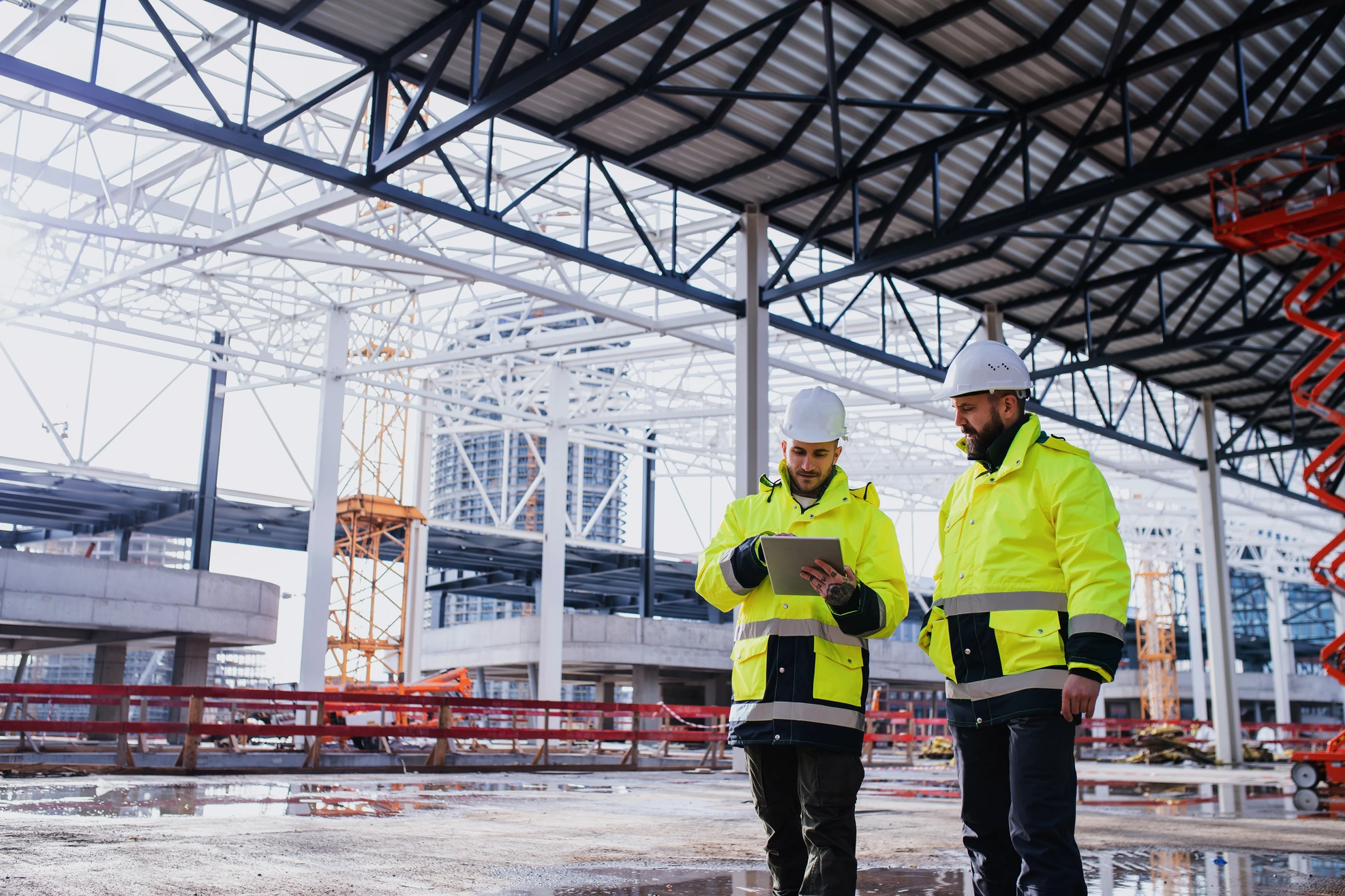

In an increasingly interconnected world, workplace security monitoring has become a critical element of operational success for organizations with remote and distributed sites. These sites, often located in areas with limited infrastructure, present unique challenges that demand robust, technology-driven solutions. From protecting valuable assets to ensuring uninterrupted operations, workplace security monitoring safeguards against evolving threats.
Contents In This Blog
The Importance of workplace Security Monitoring
Industrial operations span a wide range of sectors, including energy, manufacturing, mining, and logistics. For industries with remote sites, such as oil rigs, solar farms, or off-grid warehouses, maintaining security is vital for multiple reasons:
- Asset Protection: Remote facilities often house expensive machinery and critical operational assets. Theft, vandalism, and sabotage can result in significant financial and reputational losses.
- Safety of Personnel: Ensuring the safety of workers is paramount, especially in industries where hazardous materials or processes are involved.
- Regulatory Compliance: Many industries are bound by strict security regulations. Non-compliance can lead to penalties and operational delays.
- Continuity of Operations: Security breaches can disrupt workflows, leading to downtime that impacts productivity and profitability.
The nature of these challenges are more pronounced for assets in remote environments or those bound by large perimeters.
Key Challenges in Monitoring
- Geographic Isolation: Remote sites are often located in inaccessible or hard-to-reach areas, making physical surveillance difficult.
- Lack of Infrastructure: Limited connectivity, unreliable power supplies, and harsh environmental conditions can hamper traditional security setups.
- High Operational Costs: Deploying security personnel and equipment across multiple distributed sites can be expensive and logistically challenging.
- Evolving Threat Landscape: Cyber-physical threats, such as unauthorized drone access or mechanized sabotage by remotely operated bots, demand sophisticated security measures.
These challenges underscore the necessity of adopting advanced technological solutions for effective industrial security monitoring.
How Technology Transforms Workplace Security Monitoring
Benefits of Real-Time Data Monitoring
The convergence of technologies like artificial intelligence (AI), Internet of Things (IoT), cloud computing, and advanced analytics is revolutionizing industrial security monitoring. Let’s explore some key innovations.
AI-Powered Surveillance
AI-driven cameras and software offer real-time monitoring capabilities, enabling rapid detection and response to threats. Advanced features include:
- Facial Recognition: Identifies unauthorized personnel.
- Event Recognition: Identifies unsecure events including but not limited to third party intrusion, mechanized movements, crowding near secure zones, movement at night, liquid build up etc.
- Behavioral Analytics: Flags suspicious activities or abnormal patterns.
- Automated Alerts: Triggers alarms and notifications to security teams.
For instance, AI surveillance systems can detect trespassers on remote solar farms and notify central monitoring teams within seconds, reducing response time significantly.
- IoT-Enabled Devices
IoT devices collect and transmit data from remote sites to centralized platforms for monitoring and analysis. Examples include:
- Sensors: Monitor environmental conditions, unauthorized entry, or equipment tampering.
- Connected Drones: Conduct aerial surveillance over large areas.
- Wearable Technology: Ensures the safety of on-site personnel by tracking location and vital signs.
A report by MarketsandMarkets predicts the global IoT in the energy market will reach $35.2 billion by 2025, highlighting its growing adoption in industries managing remote sites.
- Cloud-Based Monitoring Systems
Cloud platforms provide centralized control for distributed sites, offering:
- Scalability: Easily integrate new locations into the system.
- Real-Time Insights: Access live data and video feeds from multiple sites.
- Data Redundancy: Protect critical security data through cloud storage.
For example, a global logistics company can monitor its network of warehouses using a unified cloud-based security dashboard, improving coordination and oversight.
Applications for Advanced Workplace Security Monitoring
- Oil and Gas:
In oil fields and offshore rigs, IoT-enabled sensors monitor pipeline integrity, while drones provide aerial surveillance to detect unauthorized activities or environmental hazards.
- Renewable Energy:
Solar farms and wind farms rely on AI-powered cameras and sensors to identify equipment tampering or theft of photovoltaic panels.
- Mining:
In remote mining operations, wearable technology ensures worker safety, while connected devices monitor seismic activities and equipment status.
- Logistics:
Distributed warehouses and supply chains benefit from centralized cloud systems that provide real-time updates on inventory security.
Future Trends in Workplace Security Monitoring
- Autonomous Surveillance Systems: Drones equipped with AI and thermal imaging for enhanced threat detection.
- Blockchain for Data Security: Ensures tamper-proof logs of security data.
- Predictive Analytics: Uses historical data to predict and prevent potential threats.
- Edge Computing: Processes data locally to reduce latency and improve response times.
These innovations promise to further optimize industrial security monitoring, addressing evolving challenges with precision.
Conclusion
Workplace security monitoring is a cornerstone of operational resilience for remote and distributed sites. By leveraging cutting-edge technologies like AI, IoT, and cloud computing, businesses can overcome geographic, infrastructural, and financial challenges to safeguard their assets and personnel.
In a dynamic threat landscape, investing in advanced security solutions is not merely an operational decision but a strategic imperative. Organizations that embrace technological advancements position themselves for sustained growth and uninterrupted operations, regardless of the complexities of their environments.
As industries continue to evolve, the role of industrial security monitoring will only grow in significance. Staying ahead with the right technologies is the key to thriving in this increasingly complex ecosystem.
