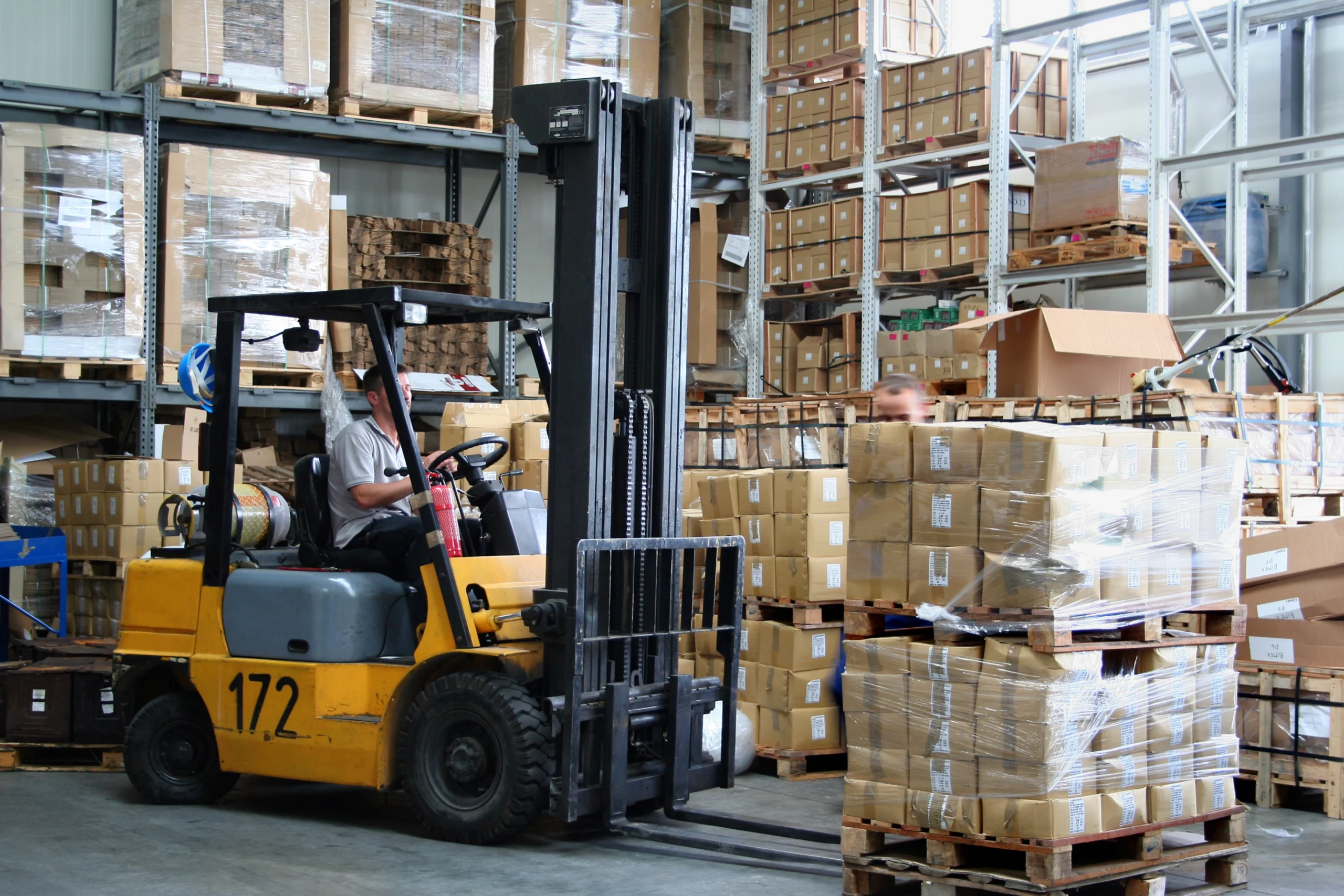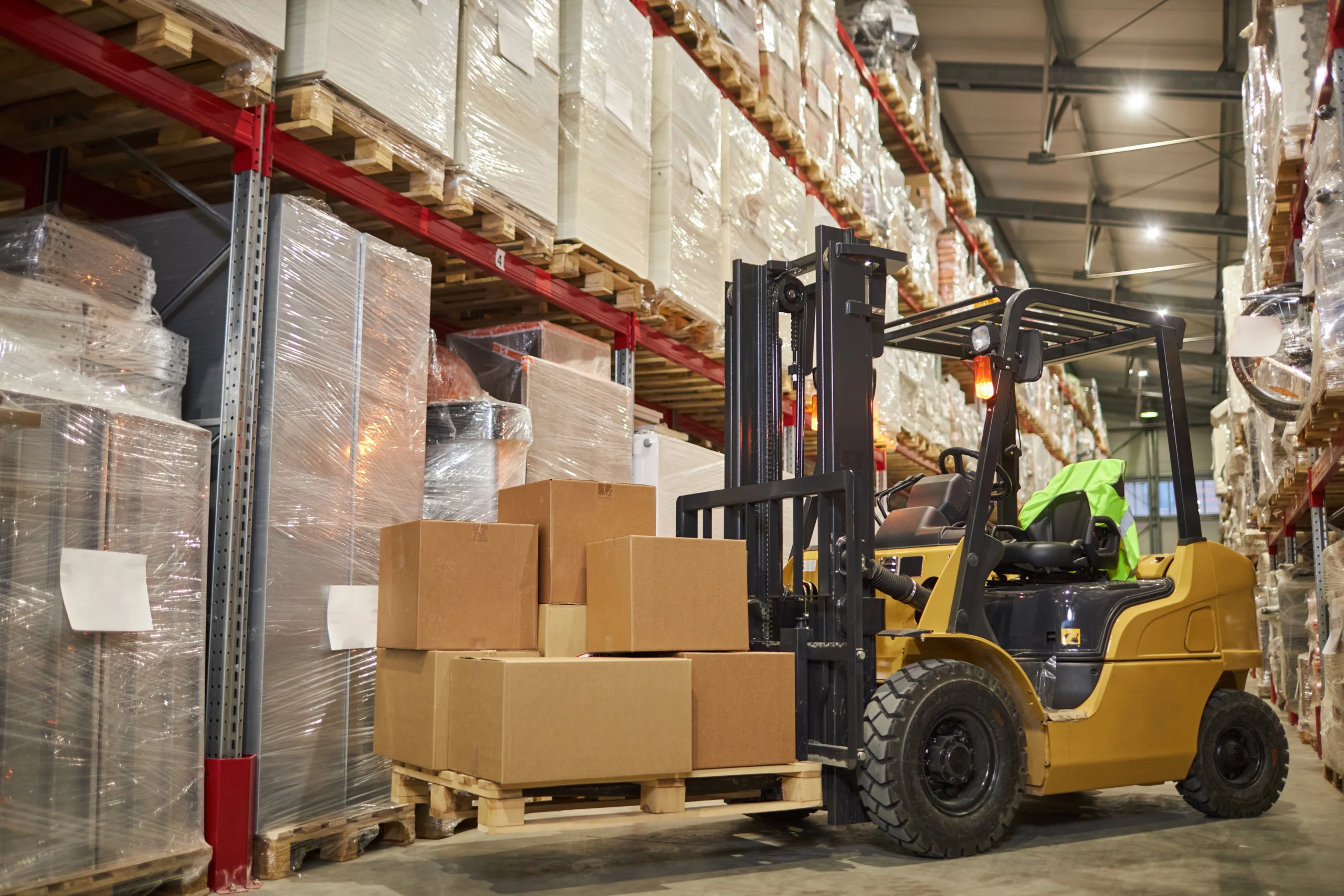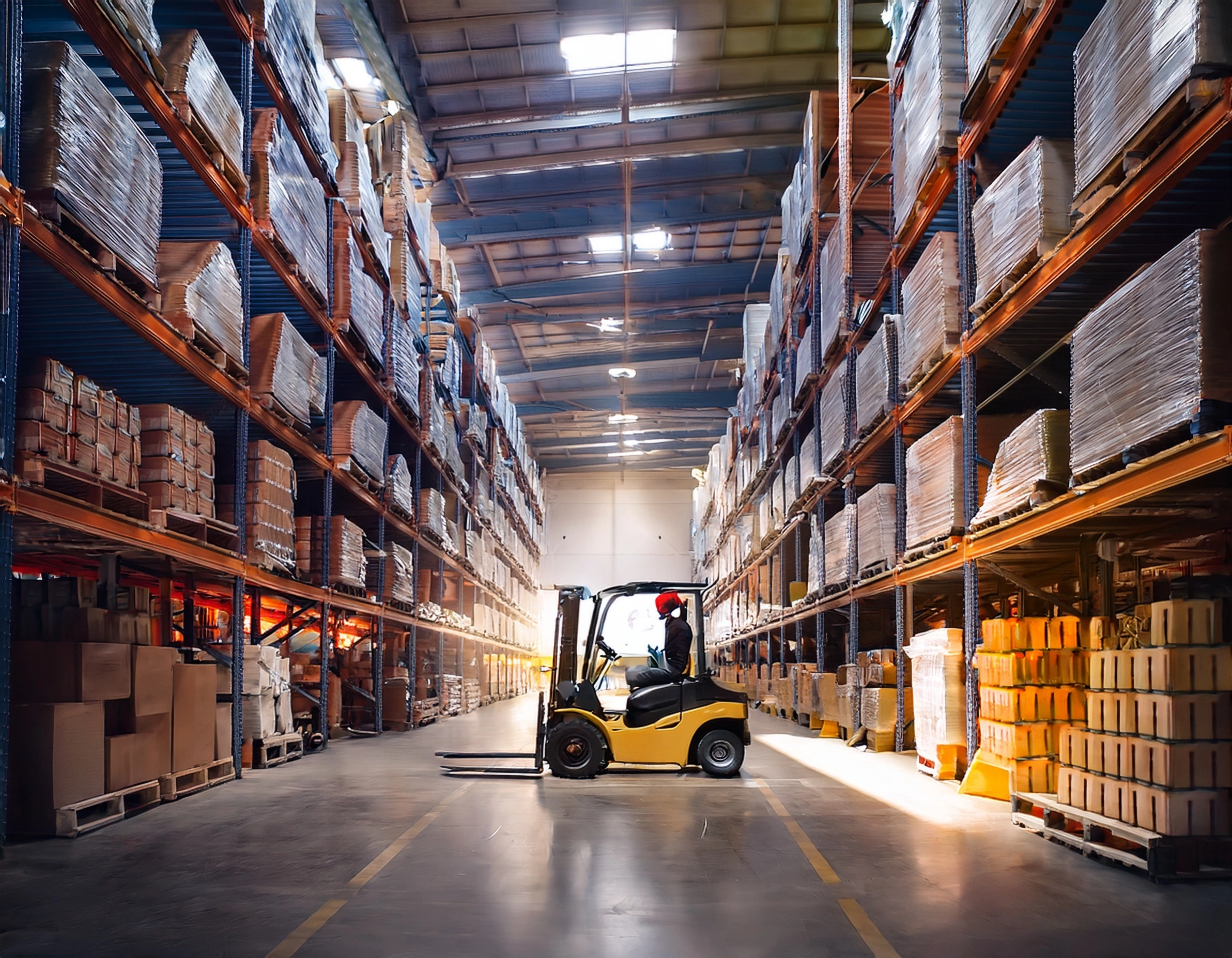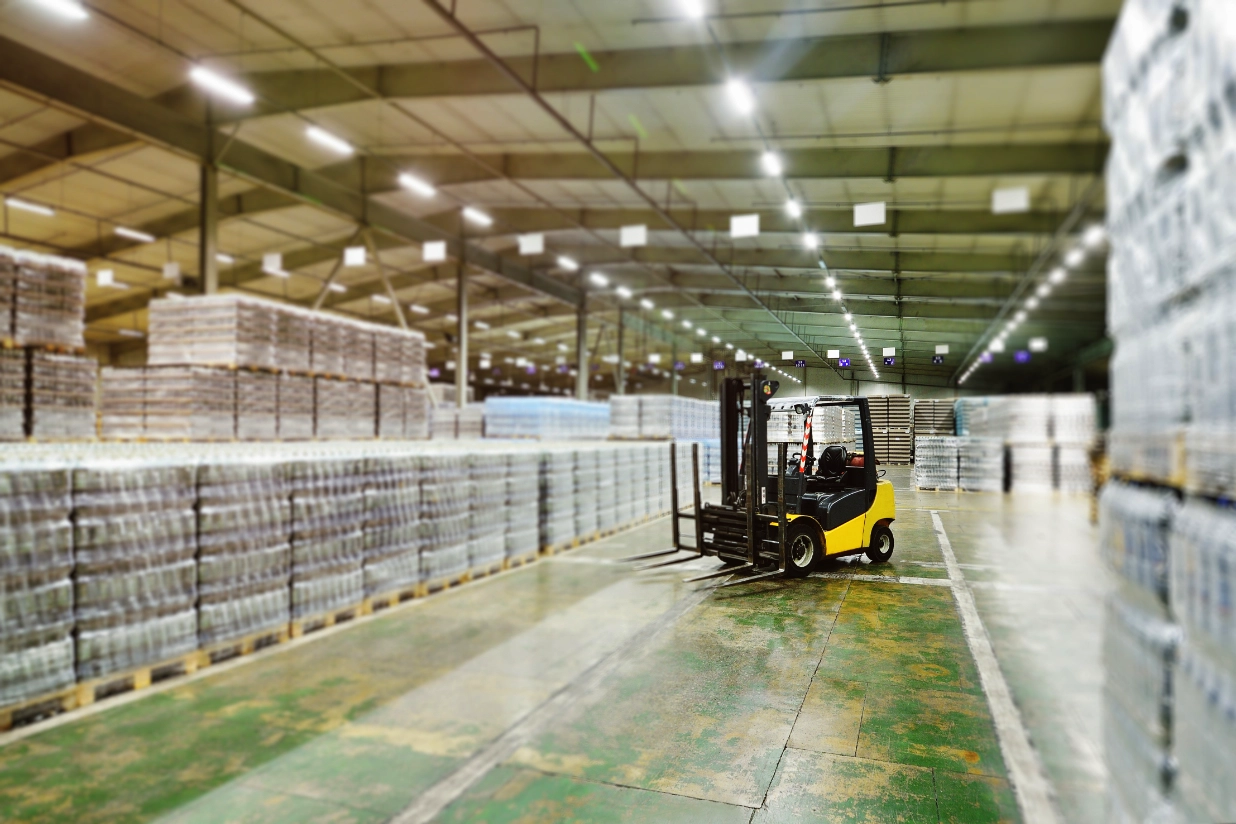
Peak seasons and periods of sustained high throughput place exceptional demands on warehouse and industrial operations worldwide. Increased order volumes, extended shifts, temporary workforce expansion, and rapid layout adjustments create conditions where forklift collision risks rise significantly.
Industry benchmarks highlight the scale: forklifts were associated with 84 fatalities in the US in 2024 and an estimated 35,000–62,000 injuries annually. Extended shifts common during surges can elevate injury risk by up to 37%, while higher utilization of equipment and personnel amplifies both frequency and severity of incidents.
For EHS leaders and operations professionals responsible for safety and performance, these periods test the effectiveness of existing controls. Understanding the dynamics at play and implementing layered, scalable solutions is essential to protect teams while maintaining operational momentum.
Contents In This Blog
Why Collision Risks Escalate During Peak Periods
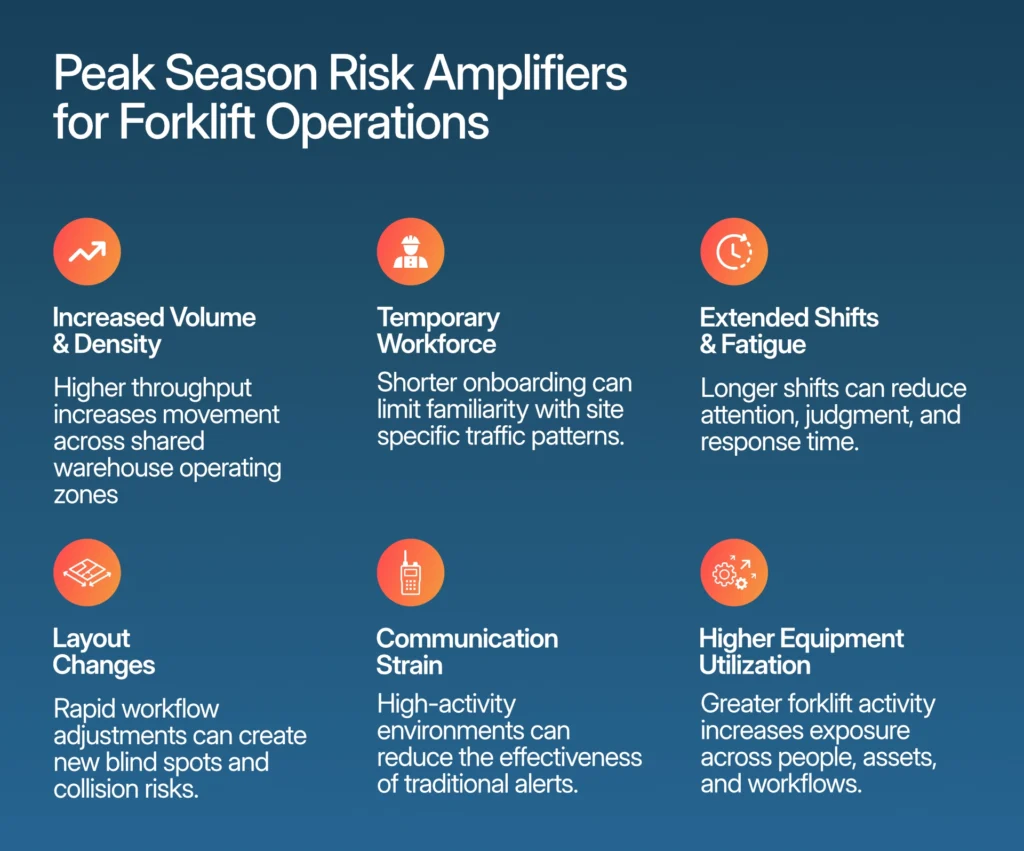
High-throughput environments intensify several interconnected factors:
- Elevated Traffic Density: More simultaneous movements of forklifts, pedestrians, and materials in shared spaces compress reaction times and expand blind-spot exposure.
- Workforce Dynamics: Temporary and agency staff often have shorter onboarding periods and less site-specific familiarity, increasing the likelihood of unexpected interactions.
- Operational Pressure and Fatigue: Longer hours and aggressive targets contribute to reduced situational awareness and higher tolerance for small deviations from standard procedures.
- Dynamic Layouts and Processes: Frequent reconfiguration and accelerated workflows introduce new hazards that static safety measures may not fully address.
- Communication and Visibility Challenges: Increased ambient activity can reduce the effectiveness of traditional alerts, while congestion limits line-of-sight.
These conditions do not merely multiply baseline risks, they create compounded scenarios where minor oversights can escalate rapidly.
Strengthening Prevention Through Layered Controls
Foundational measures such as refreshed training, enhanced traffic management, physical separation, and rigorous equipment inspections remain critical. However, during peak operations their limitations become more apparent, as they continue to rely heavily on consistent human performance under elevated cognitive and physical load.
Intelligent systems provide a complementary layer designed for these demanding conditions. T-Pulse Intelligent Collision Avoidance (ICAS), powered by edge AI and computer vision, delivers consistent real-time awareness that scales with operational intensity.
Key capabilities include:
- Multi-object detection that identifies pedestrians in any posture, other vehicles, and obstacles even in congested or variable lighting.
- Low-latency edge processing ensures reliable performance without dependence on external connectivity.
- Objective near-miss intelligence that captures data automatically, enabling proactive adjustments such as temporary traffic rerouting or focused interventions.
- Tagless operation is particularly valuable when incorporating temporary personnel.
These features do not replace human judgment but augment it, providing operators and supervisors with reliable support precisely when attention is most challenged.
Practical Recommendations for Peak-Season Readiness
Leading global operations strengthen resilience through:
- Pre-peak risk assessments focused on high-density zones and potential blind spots.
- Targeted training refreshers incorporating peak-specific scenarios.
- Data-driven monitoring that highlights emerging patterns in near-miss activity.
- Strategic deployment of intelligent detection in the most demanding areas of the facility.
This integrated approach supports both immediate risk reduction and longer-term safety culture improvement.
Enhancing Safety and Operational Performance
Peak seasons will continue to challenge warehouse and industrial facilities. Organizations that succeed combine robust foundational practices with intelligent technologies that deliver consistent performance under pressure.
T-Pulse Intelligent Collision Avoidance from Detect Technologies is designed to support exactly these conditions providing real-time detection, actionable insights, and scalable protection across global operations.
We invite you to explore how ICAS can strengthen your forklift safety program during high-throughput periods and beyond.
FAQs
1. Why do forklift collision risks increase significantly during peak seasons and high-throughput periods?
Peak seasons amplify several factors simultaneously: higher traffic density, extended shifts that increase fatigue (raising injury risk by up to 37%), influx of temporary workers with shorter onboarding, frequent layout changes, and greater pressure to maintain speed. These conditions compress reaction times and make traditional controls less effective, leading to more near-misses and incidents.
2. Are traditional safety measures enough to manage forklift risks during busy periods?
Traditional measures such as training, signage, barriers, and speed limits are essential foundations. However, during high-throughput operations they often fall short because they rely heavily on consistent human attention under elevated cognitive and physical load. Intelligent systems provide a complementary real-time layer that does not fatigue and delivers objective data for faster decision-making.
3. How does an Intelligent Collision Avoidance System like ICAS by Detect Technologies help during peak seasons?
ICAS uses edge AI to process real-time visual feeds from forklift-mounted cameras and computer vision to detect pedestrians, vehicles, and obstacles in real time even in blind spots or congested areas. It provides low-latency alerts, automatically logs near-misses for quick operational adjustments, and operates tagless, making it highly practical for mixed and temporary workforces common during peaks.
4. Do intelligent collision avoidance systems require major infrastructure changes or wearables?
Most modern edge AI solutions, including ICAS, are designed for minimal disruption. They can leverage existing or easily added cameras on forklifts or infrastructure and do not require wearables for every worker or visitor. Deployment is typically scalable, allowing phased rollout focused on highest-risk zones before peak periods.
5. What benefits can warehouse operations expect from implementing intelligent collision avoidance before a peak season?
Organizations typically see improved real-time awareness, reduced near-miss frequency, objective data for proactive safety adjustments, and better protection of both permanent and temporary staff. This contributes to lower incident rates, reduced downtime, stronger compliance posture, and maintained productivity even under high pressure.
6. What makes T-Pulse a scalable safety intelligence platform for enterprises?
T-Pulse is built to support scalable safety intelligence across complex, multi-site operations. The platform supports real-time risk identification, operational visibility, trend analysis, and stronger intervention planning across dynamic environments. Within this ecosystem, ICAS supports forklift-related collision risk management as one specialized use case. Learn more about T-Pulse Workplace Safety.